When the news broke about the cancellation of Batgirl, a nearly completed film with a $90 million budget, it sent shockwaves through Hollywood. This wasn't just a routine studio shuffle; it was a stark, unapologetic declaration of intent, signaling a radical shift in Warner Bros. Discovery's Strategy & the Future of Max Originals. Under CEO David Zaslav, the entertainment giant embarked on a controversial path, recalibrating its streaming ambitions, refining its brand identity, and redefining what "original content" truly means in the modern media landscape.
This isn't merely about budget cuts; it's a strategic overhaul designed to reshape WBD's position in the fiercely competitive streaming wars. What started with dramatic cancellations is evolving into a focused pursuit of brand prestige and subscriber growth, now hinged on the very name that once defined premium television: HBO.
At a glance: WBD's Strategic Shift
- The "Batgirl" Shockwave: A $90 million film shelved for a tax write-down and "brand protection," setting a precedent for a new, cost-conscious era.
- Content Over Art: CEO David Zaslav's philosophy prioritizes broad "content" appeal and financial efficiency above "storytelling" or "art."
- Max to HBO Max Rebrand: The streaming service is reverting to its original name, HBO Max, to leverage HBO's prestigious brand and combat the diluted perception of "Max."
- Fewer, Bigger Originals: Expect fewer overall original series but "dramatically more" spending on the ones that do get produced, focusing on high-impact, broadly appealing titles.
- Disney as a Blueprint: WBD aims to emulate Disney's successful 10-year plan for its DC Extended Universe, prioritizing long-term, interconnected franchises.
- Subscriber Growth Target: The goal is to reach over 150 million subscribers by the end of 2026, driven by a refined, quality-focused content strategy.
- Niche Futures Uncertain: The fate of beloved, niche Max Originals like Harley Quinn or Doom Patrol hangs in the balance, subject to new performance metrics and strategic alignment.
The Zaslav Era's Bold (and Brutal) Opening Act
David Zaslav's ascension to lead Warner Bros. Discovery marked an immediate and seismic shift. The Batgirl cancellation wasn't an isolated incident; it was one of several HBO Max originals, including Scoob! Holiday Haunt, that were axed or removed from the service. This decision facilitated a tax write-down, which legally required the film to remain unreleased, thereby preventing the company from amortizing the cost over its useful life and instead taking an immediate loss for tax purposes.
While the Batgirl move was partly attributed to "protecting" the DC brand, the irony wasn't lost on many when The Flash, starring the embattled Ezra Miller, proceeded with its release. This seemingly contradictory approach highlighted a core tenet of the new WBD: financial pragmatism often trumps conventional optics or previous creative commitments. The message was clear: no project, however far along, was safe if it didn't align with the new vision for profitability and brand enhancement.
This initial period was characterized by aggressive cost-cutting and a clear signal that the era of lavish, open-ended content spending was over. It laid the groundwork for a strategy prioritizing return on investment and a more streamlined approach to content creation and distribution, causing some significant shake-ups in the industry. For a deeper dive into the specific titles that faced the axe, you can explore All HBO Max series cancellations.
From "Storytelling" to "Content": A Philosophical Pivot
Perhaps the most telling insight into Zaslav's vision came from his stated emphasis on "content" over "storytelling" or "art." This isn't just semantics; it's a philosophical declaration. "Content" implies a more functional, transactional view of programming—something to fill a slot, attract an audience, and generate revenue. "Storytelling" or "art," conversely, implies creative intent, risk-taking, and a focus on narrative integrity that might not always align with immediate commercial goals.
Under this new paradigm, while Zaslav promised "dramatically more" would be spent on HBO Max originals, the caveat was significant: fewer series would be produced overall. This indicates a strategy of concentrating resources on fewer, higher-impact projects designed for broader appeal and greater marketing potential. Think tentpole series, major franchise extensions, and programs with clear pathways to global recognition and subscriber acquisition.
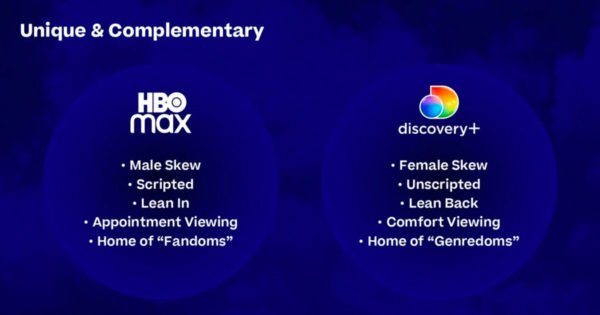
Adding to the complexity was the WBD board's internal perception of HBO Max as "male-skewing" and Discovery+ as "female-skewing." While this binary, gendered view of audiences drew criticism, it underscores how WBD was dissecting its audience segments and planning for a combined streaming service—a service initially named "Max"—that aimed to cast a wider net. The goal was to unify these perceived demographics under one roof, theoretically offering something for everyone.
The Disney Blueprint and the DCEU's Long Game
WBD is not inventing a new wheel when it comes to long-term franchise planning. Zaslav openly expressed an ambition to emulate Disney's highly successful model for its Marvel Cinematic Universe (MCU). This involves a meticulously planned, decade-long strategy for the DC Extended Universe (DCEU), aiming for interconnected narratives, consistent character arcs, and a cohesive brand vision across films, series, and potentially other media.
This approach signifies a departure from the more disjointed, filmmaker-driven era of DC films, which often led to varying tones and narrative inconsistencies. By establishing a "godfather" figure (James Gunn and Peter Safran) to oversee the entire DC slate, WBD is seeking to impose a singular creative vision, much like Kevin Feige's role at Marvel Studios. The hope is that this structured, long-term planning will cultivate a more loyal fanbase, drive sustained engagement, and create an evergreen content pipeline that can compete directly with Disney's formidable library.
For consumers, this means a more predictable and potentially rewarding experience within the DC universe, but it also means less room for standalone, experimental projects that don't fit into the grand design. Every new DC project will likely be scrutinized for its role in the larger narrative, making the entry barrier higher for new creators and concepts.
Max to HBO Max: A Brand's Return to Prestige
One of the most significant strategic reversals came with the decision to revert the streaming service name from "Max" back to "HBO Max" this summer. The original rebranding from HBO Max to Max in 2023 was an attempt to broaden the service's appeal, integrating Discovery's unscripted content and positioning it as a general entertainment destination rather than a premium, adult-oriented hub.
However, this strategy faced significant challenges. The "Max" name, intended to be inclusive, inadvertently diluted the powerful, prestigious "HBO" brand identity. HBO had long been synonymous with high-quality, award-winning, groundbreaking television. Stripping that name diminished its perceived value and, for many subscribers, signaled a move towards quantity over quality. The rebrand simply didn't resonate, failing to accelerate growth or enhance brand perception as intended.
The return to "HBO Max" is a clear acknowledgment of this misstep and a strategic pivot to re-emphasize WBD's commitment to high-quality content. It leverages HBO's undeniable strong brand identity, which has a proven track record of attracting discerning subscribers. This rebranding aligns perfectly with the broader focus on "quality over quantity," prioritizing successful programming like core HBO originals, highly anticipated box-office movies, compelling docuseries, and relevant local originals.
WBD's ambitious goal of reaching over 150 million subscribers by the end of 2026 now hinges on this revitalized brand. The belief is that by foregrounding HBO's prestige, the service can better attract and retain subscribers who value premium, critically acclaimed content, differentiating itself in a crowded market. This move isn't just about a name; it's about signaling a renewed dedication to the content pillars that made HBO legendary.
The Future of Niche Originals: A Tightrope Walk
With the shift to fewer, more impactful originals and a focus on broad appeal, the future of niche HBO Max originals like the animated adult comedy Harley Quinn or the cult favorite Doom Patrol becomes uncertain. These shows, while critically acclaimed and beloved by dedicated fanbases, often cater to specific demographics rather than aiming for the massive reach of a tentpole franchise.
The new WBD strategy suggests that renewal decisions will be based on stricter metrics. These likely include:
- Audience Engagement: Not just raw viewership numbers, but how deeply viewers engage, how many complete series, and their overall loyalty.
- Cost-Benefit Analysis: Can the niche show justify its production cost with its specific subscriber retention or acquisition value?
- Strategic Alignment: Does the show fit into the broader WBD portfolio, perhaps as part of a larger franchise (as Harley Quinn does with DC) or a key demographic offering?
- Global Appeal: Does it have the potential to resonate with international audiences, contributing to the 150 million subscriber goal?
While a show like Harley Quinn might have an advantage due to its connection to the DC universe, even its unique tone might be scrutinized to ensure it aligns with the evolving brand image of DC under the new leadership. Shows without such a strong franchise tie-in face an even steeper climb. It’s a tightrope walk where passion projects must now demonstrate clear, tangible value in a highly competitive and financially conservative environment.
What This Means for Viewers and Creators
For viewers, the immediate future promises a more curated, potentially less experimental, but hopefully consistently high-quality streaming experience. You might see fewer surprises in terms of entirely new, off-the-wall concepts, but the flagship HBO dramas, major motion pictures, and tentpole franchise extensions should remain strong. The return to the HBO Max name reinforces the promise of premium content, potentially making it easier for viewers to decide if the service aligns with their viewing preferences.
However, if your tastes lean towards the more quirky, experimental, or niche original series that HBO Max was known for in its earlier days, you might find fewer new offerings. The focus on "content" and broad appeal could mean a homogenization of programming aimed at the largest possible audience, potentially at the expense of unique voices or formats.
For creators, the landscape becomes more challenging and competitive. Projects will need a strong, clear vision for audience acquisition and retention. The emphasis on long-term franchise planning means that pitches that can fit into a larger, interconnected universe will likely be favored. There will be less room for pilots or series that don't immediately demonstrate clear commercial viability or strategic fit. This shifts the creative process towards more commercially driven outcomes, requiring creators to think not just about the story, but also about the brand, the audience demographics, and the long-term potential of their intellectual property within the WBD ecosystem.
Key Considerations for Content Development in the New WBD Era:
- Franchise Potential: Does the project have spin-off, sequel, or prequel possibilities?
- Broad Appeal: Can it attract a large, diverse audience beyond a niche group?
- Cost-Efficiency: Can high production values be achieved responsibly?
- Global Marketability: Will it resonate with international audiences?
- Brand Alignment: Does it fit the prestigious, high-quality image of HBO Max?
Navigating the Content Landscape: A Forward Look
Warner Bros. Discovery's strategic re-evaluation of Max Originals isn't just an internal business decision; it's a significant indicator of the evolving economics of streaming. The initial "land grab" phase, characterized by massive spending and a "more is better" mentality, is clearly over. Companies are now looking for sustainability, profitability, and demonstrable return on investment.
The shift back to the HBO Max brand, coupled with a sharpened focus on quality, strategic franchising, and disciplined content spending, paints a picture of a company aiming for long-term stability and market leadership. By leveraging the proven power of the HBO name and meticulously planning its major franchises, WBD hopes to differentiate itself in a crowded market, attract a loyal subscriber base, and hit its ambitious subscriber targets.
This strategy suggests a more deliberate, less reactive approach to content. While the immediate impact involved some difficult cancellations and a philosophical pivot, the intended outcome is a more robust, cohesive, and ultimately more valuable streaming service. For viewers, this means a refined selection of programming that, while potentially narrower in scope, aims to consistently deliver high-quality, engaging experiences worthy of the HBO legacy. The future of Max Originals, now HBO Max Originals, will be defined by strategic intent and a renewed commitment to premium content that resonates globally.