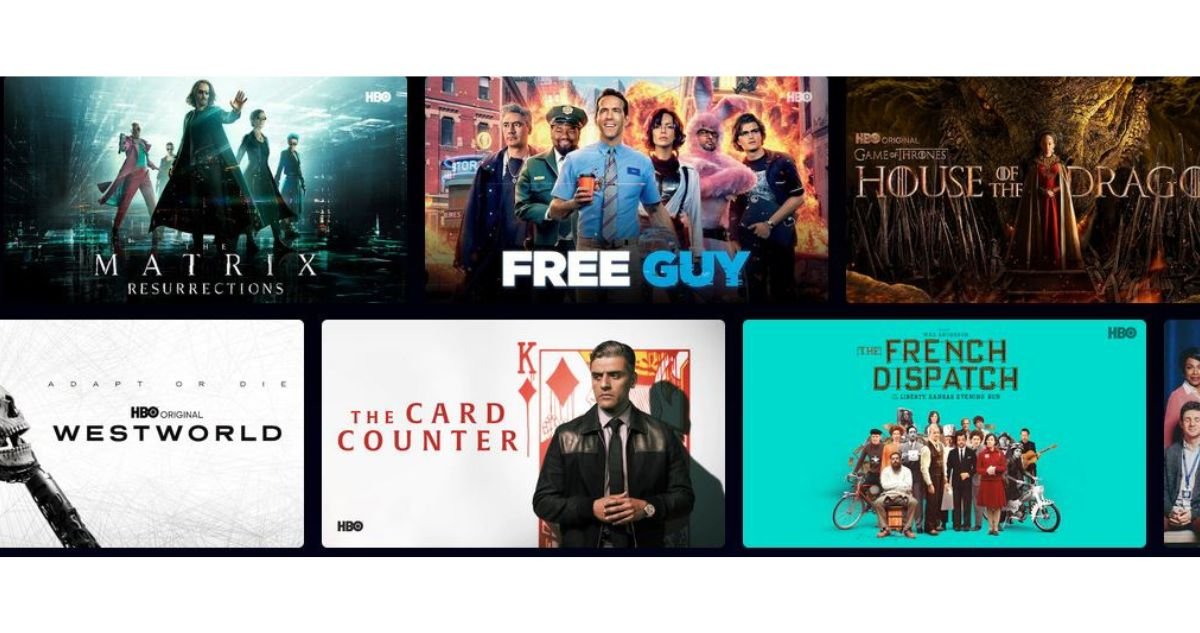
It's a scene playing out across countless living rooms: you settle in, eager to rewatch a beloved series or finally start that acclaimed show everyone's talking about, only to find it gone. Vanished. This isn't just an inconvenience; it's a profound shift in how we consume entertainment, with The Impact of Cancellations on Max Subscribers & Content Library serving as a stark, recent example of a broader industry trend. The once-promised infinite libraries of streaming are proving to be anything but.
For years, the allure of streaming was endless choice—a vast ocean of content available at your fingertips. Then came the purges. As platforms like Max (formerly HBO Max) grapple with profitability and evolving strategies, shows are disappearing, subscribers are getting frustrated, and the very concept of a "content library" is being redefined. What started as a whisper has become a roar, and it's fundamentally changing your relationship with your favorite shows and the platforms that host them.
At a Glance: What You Need to Know
- Content is Disappearing: Streaming platforms are actively removing shows and movies to save costs and gain tax write-downs, with Max being a prominent example.
- It's Financial, Mostly: The decision to remove content is driven by the high cost of residuals, royalties, and participation payments for underperforming titles.
- Where Does it Go? Many removed shows are being relicensed to free, ad-supported (AVOD/FAST) platforms, giving them a second life and generating new revenue.
- Subscriber Exodus: The Max rebrand, coupled with key show finales and technical glitches, led to a significant surge in cancellations, demonstrating subscriber sensitivity.
- Creative Frustration: Creators are feeling the sting of lost exposure and inadequate residuals, making this a central issue in ongoing Hollywood labor negotiations.
- The Future is Bundled: The industry is moving towards consolidated, all-in-one platforms and bundles, aiming for convenience and perceived value.
The Disappearing Act: Why Your Favorite Shows Vanished from Max (and Everywhere Else)
Remember when streaming services felt like an all-you-can-eat buffet? That model, it turns out, was unsustainable. Today, we're witnessing a "library purge"—a strategic, often brutal, culling of content across major platforms. Max has been at the forefront of this trend, but it's far from alone.
Why the sudden vanishings? It boils down to money. Maintaining a vast content library isn't free. Platforms incur ongoing costs for residuals, participations, and royalties paid to actors, writers, directors, and other creatives. If a show isn't bringing in new subscribers, keeping existing ones, or driving significant viewership, its cost outweighs its perceived value. It becomes a liability rather than an asset.
Think of it like this: If a show accounts for less than 10% of a platform's total viewership but still demands substantial quarterly payments, it's a prime target for removal. These removals also offer another financial incentive: tax write-downs. By declaring certain productions as "lost" or "unexploitable," companies can offset other taxable income.
Max, under Warner Bros. Discovery, made headlines with some particularly high-profile cancellations. Shows like The Gordita Chronicles, the critically acclaimed Westworld, Ridley Scott’s ambitious Raised By Wolves, and even the romantic drama The Time Traveler’s Wife all vanished. Original series such as FBoy Island, The Nevers, Love Life, and Minx were also swept away. This wasn't just a spring cleaning; it was a fundamental re-evaluation of content strategy. To Explore HBO Max series cancellations, you'll find an extensive list of titles that have disappeared.
And it's not unique to Max. Showtime removed Jordan Peele’s reboot of The Twilight Zone and Real World: Homecoming. AMC+ axed Pantheon, 61st Street, and Moonhaven. Even Disney, under CEO Bob Iger, is rumored to be eyeing its own library for a $5.5 billion cost-cutting initiative. Netflix, while often removing titles due to licensing expirations, is also sitting on "billions of dollars" in underutilized content, making it a potential candidate for future purges. This widespread trend indicates a significant industry-wide shift, and you can dive deeper into the content purge trend to understand its full scope.
The Content Conundrum: Where Do Our Shows Go?
When a show disappears from a flagship streaming service like Max, it doesn't necessarily cease to exist. Often, it finds a new home. This is where the world of AVOD (advertiser-based video on demand) and FAST (free ad-supported streaming TV) platforms comes into play.
A Second Life in the Ad-Supported World:
For Warner Bros. Discovery, many of their purged titles, including Westworld and F-Boy Island, have been relicensed to AVOD and FAST services like The Roku Channel and Tubi. These shows aren't just tossed into a generic library; they often land on dedicated "branded channels" within these platforms.
This strategy is a win-win for the platforms purging content. They:
- Reduce Costs: No longer paying residuals and other carrying costs for underperforming content.
- Generate New Revenue: Licensing fees from AVOD/FAST platforms, plus potential for future ad revenue if they retain some rights.
- Maintain Accessibility: The creative work still exists, albeit in a different format, which can appease creators (to some extent).
For viewers, it means a potential return of beloved shows—but with ads. It's a trade-off: free access in exchange for commercial breaks. It also means navigating a more fragmented streaming landscape, where your favorite show might be on a platform you've never heard of, supported by ads. If you're keen to understand the rise of AVOD and FAST platforms, you'll see why this shift is more than just a passing fad.
Max's Rocky Relaunch: The Subscriber Exodus
The content purge was just one piece of Max's turbulent year. On May 23, 2023, HBO Max officially rebranded to Max, unifying HBO's premium content with Discovery+'s unscripted reality programming. The idea was to create a one-stop-shop for a wider audience, offering more "something for everyone." However, the transition was far from smooth, and its timing collided with another significant event.
Just five days later, on May 28, the critically acclaimed series Succession aired its highly anticipated finale. This created a perfect storm: a major rebrand, technical hiccups, and the conclusion of a "must-see" show that many subscribers had likely held onto their subscriptions for.
The impact was immediate and dramatic. Similarweb data revealed a staggering 598% increase in confirmed cancellations on Max.com over just one week following the rebrand (May 24-30) compared to the prior week. Cancellation traffic surged by 75.8% on the day Succession ended (May 28) and an additional 65.8% on May 29. Overall, May 2023 saw a 140.2% month-over-month and 468.4% year-over-year increase in cancellation traffic across both HBO Max and Max platforms.
Beyond the content shifts, technical issues plagued the rebrand. Many subscribers reported difficulties converting their existing HBO Max subscriptions, leading to a 209.6% month-over-month increase in help center traffic, affecting over 17 million subscribers. Discovery+ also experienced a surge in cancellations in May 2023 (42.3% MoM, 566.7% YoY), likely as users opted for the consolidated Max bundle, but the overall trend pointed to significant subscriber churn. For a deeper look, you can learn more about the Max rebrand's impact on subscribers.
These numbers paint a clear picture: subscribers are increasingly sensitive to changes in content availability, pricing, and user experience. Without a consistent pipeline of "must-see" programming, platforms risk losing viewers, especially in a competitive market compounded by industry-wide disruptions like the writer's strike.
Behind the Scenes: The Creative Fallout
While executives focus on balance sheets and subscriber metrics, the content purges and the evolving streaming landscape have created significant frustration among the very people who create the shows we love.
Underwhelming Residuals and Lost Exposure:
For many creatives—writers, actors, directors—streaming residuals have been notoriously low compared to traditional broadcast or cable models. The promise of "global reach" and "infinite shelf life" in streaming often didn't translate into fair compensation. When a show is removed from a platform, it doesn't just cut off potential future earnings; it also diminishes exposure. For a showrunner trying to pitch their next project, or an actor seeking their next role, having their previous work readily available for potential employers is crucial. When it disappears, it's a blow to their professional visibility.
This issue has become a major flashpoint in recent Hollywood labor disputes. The Alliance of Motion Picture & Television Producers (AMPTP) faced fierce resistance from the Writers Guild of America (WGA), Directors Guild of America (DGA), and SAG-AFTRA (the actors' union) over various issues, with streaming residuals and exhibition guarantees being central to the negotiations.
Fighting for a Place on the Screen:
Creatives are now pushing for contract provisions that would guarantee exhibition for completed productions. They argue that once a show is made, it should have a reasonable period of availability to viewers, preventing it from being "disappeared" for tax purposes or cost savings. While this is a difficult ask—platforms want maximum flexibility with their content—it highlights the fundamental disconnect between the financial strategies of streaming giants and the artistic and professional needs of those who fuel the industry. You can explore the ongoing Hollywood labor disputes and streaming residuals to understand the complexities involved.
Navigating the New Streaming Landscape: What This Means for You
The days of subscribing to just one or two streaming services and having access to everything are largely over. The industry is rapidly evolving, and your approach to streamed entertainment needs to adapt.
The Rise of the All-In-One Platform & Bundles:
Warner Bros. Discovery's move to consolidate HBO Max and Discovery+ into Max is indicative of a broader industry trend. Disney+ is integrating Hulu into its primary service, and other players are looking for ways to offer more content under one roof. The goal is to create "super-platforms" that offer convenience, perceived value, and reduce the likelihood of subscribers juggling multiple subscriptions.
For you, this means potentially simpler billing and access to a wider variety of genres within a single app. However, it also means these platforms hold more power, and their content decisions will have a greater impact on what's available.
The Search for Value:
As content purges continue and prices potentially rise, subscribers are becoming more discerning. The key is to ask: "What truly brings me value?" Is it a constant stream of new originals, access to a deep library of older shows, or specific niche content?
Max, for example, needs to balance its HBO prestige dramas with Discovery's reality TV, all while justifying its price point. Consistent "must-see" programming—the kind that creates cultural moments like Succession or House of the Dragon—is crucial for combating churn. Without these tentpole shows, subscribers are more likely to cancel after a single binge.
Your Action Plan for Smart Streaming:
- Track Your Subscriptions: Regularly review what you're paying for. Are you still actively watching content on all your services?
- Be Aware of Changes: Keep an eye on industry news and platform announcements about content removals or rebranding.
- Embrace Bundles (Strategically): If an "all-in-one" platform genuinely offers content you want from multiple services at a discount, it might be a smart move. You can explore the best streaming bundles for value to find options.
- Consider AVOD/FAST: Don't dismiss free, ad-supported services. Many shows that disappear from premium platforms find a new home there.
- Support the Content You Love: When possible, engage with shows and creators you care about. Viewership numbers still matter, and collective interest can sometimes make a difference.
Your Burning Questions Answered
We know this new streaming landscape can be confusing. Here are some quick answers to common questions:
Q: Why are streaming services suddenly removing content after promising vast libraries?
A: It's primarily financial. The initial "land grab" phase focused on acquiring subscribers with huge libraries. Now, companies are prioritizing profitability. Carrying costs (residuals, royalties) for underperforming content are high, and removing it saves money and can offer tax write-downs.
Q: Will my favorite show that was cancelled on Max ever come back?
A: It's unlikely to return to Max in its original subscription-based format. However, it has a good chance of reappearing on an AVOD (ad-supported) or FAST (free ad-supported streaming TV) platform, like The Roku Channel or Tubi. You'll watch it with ads, but it will be accessible.
Q: How can I keep track of what's leaving or moving platforms?
A: This is challenging, as platforms don't always announce removals far in advance. Third-party websites, dedicated streaming news outlets, and social media accounts often track these changes. You can also sign up for newsletters from these sites.
Q: Is this content purge happening everywhere, or just Max?
A: It's an industry-wide trend affecting nearly all major streaming platforms, including Showtime, AMC+, and even potentially Disney+ and Netflix in the future. The motivation is consistent: cost savings and a shift towards sustainable business models.
Q: What about shows that were fully produced but never even aired?
A: These "shelved" projects are also part of the financial strategy, often written off for tax purposes. It's a particularly painful blow for creators, as their work never sees the light of day. While some might be sold to other platforms later, many remain in limbo.
The Future of Your Streamed Entertainment: A Balancing Act
The era of "peak TV" and seemingly endless, ad-free streaming libraries is behind us. We are now firmly in a period of consolidation, strategic cost-cutting, and a re-evaluation of what makes a streaming service valuable.
For you, the subscriber, this means being more intentional about your choices. You'll likely encounter more ads, potentially need to navigate more platforms, and will become more accustomed to the idea that no content library is truly permanent. The pressure is on platforms like Max to prove their worth, not just with a large volume of content, but with consistently high-quality, "can't-miss" programming that justifies both their subscription fees and their content decisions.
Ultimately, the future of streaming will be a balancing act: profitability versus subscriber satisfaction, vastness versus curated quality, and the financial demands of corporations versus the creative integrity of artists. As a discerning viewer, your choices—where you subscribe, what you watch, and what you choose to cancel—will continue to shape this evolving landscape.